
NetSuite continues to evolve rapidly, and businesses entering 2026 need a clear strategy to unlock its full potential. With new features, smarter automation, and stronger cloud capabilities, planning your implementation the right way has never been more important. If you are planning a new NetSuite Implementation in 2026, there are many evolving factors to consider, from updated modules to cloud native practices. These practices make the organization work flow more efficient and quicker. Whether you’re transitioning from legacy systems, scaling operations, or moving to the cloud, a robust implementation plan remains the foundation for success.
People often ask what the keys to successfully implementing an ERP system are. In that case, always remember that deploying an ERP comprises careful collaboration with stakeholders. You also have to work with vendors through each phase of the implementation cycle. So with these things in mind, let’s take a glance at the NetSuite implementation methodology.
Basics Of A Successful Implementation Plan
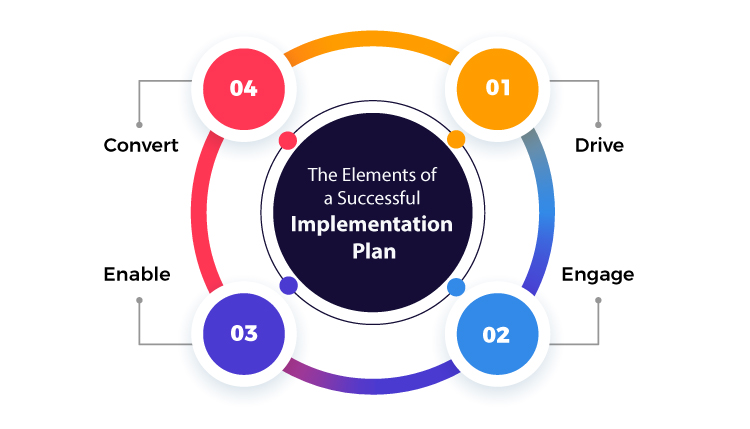
A successful NetSuite implementation is built on a strong foundation of planning, collaboration, and structured execution. Before diving into configurations and customizations, it is essential to understand the core elements that guide the entire project. These fundamentals help you organize your goals, prepare your teams, streamline processes, and ensure that every stage of the implementation moves smoothly toward a stable and high-performing system.
Drive
In this stage, you lay out the actionable roadmap for deployment, including system architecture, cloud-readiness, customizations, data-security planning, and employee training schedules. In this stage, you define the direction and purpose of your NetSuite project. It begins with identifying business priorities, outlining expected outcomes, and finalizing the overall scope. This includes selecting modules, listing integration needs, estimating resource requirements, and establishing timelines that suit your operational workflow.
The objective is to create a clear roadmap that guides every decision throughout the implementation. When your goals, processes, and expectations are defined upfront, the project becomes more predictable and easier to manage.
Engage
Engaging teams remains crucial, like building a cross-functional project team (IT, operations, finance, management), defining a change-management strategy, communicating the ERP benefits clearly, and securing buy-in from leadership to end users. The Engage phase focuses on involving the right people at the right time. During this stage, communication and alignment are crucial. A strong engagement plan prepares teams for upcoming changes and builds user confidence, ultimately supporting higher adoption after go-live.
Enable
This is when you move from plans to actions like migrating legacy data, configuring modules, integrating external tools (e.g., e-commerce, CRM), and conducting thorough testing to ensure readiness. This stage also involves multiple testing cycles to ensure that every configuration works as expected in real-world scenarios. Training also begins here, enabling users to understand system navigation, daily tasks, and process changes. Proper enablement reduces rework, minimizes disruptions, and ensures the platform is ready for operational use by the time of go-live.
Convert
The Convert phase is the transition point from planning to actual system deployment. It includes final data migration, validation of records, user readiness checks, and execution of the go-live plan. Once the system is live, teams enter the stabilization stage where issues are monitored, and support is provided to help users adapt smoothly. This phase ensures that the entire organization moves from legacy tools to NetSuite with minimal downtime and maximum confidence.
The NetSuite Implementation Guide To Be Aware Of
Implementing NetSuite requires more than just technical setup; it demands a structured approach that aligns your processes, people, and data with the system. This guide outlines the essential steps every organization should understand before beginning its NetSuite journey. From planning and data preparation to change management and training, these elements form the backbone of a smooth and successful implementation.
Post-Go-Live Support, Optimization & Scaling
This aligns with how modern ERP implementations evolve; going live is not the end but the beginning of continuous improvement.
- Ongoing system monitoring & performance audits are a must. Regular monitoring helps identify performance issues early and ensures the system continues to run efficiently as business needs evolve.
- Activeness of user support & helpdesk is important. Dedicated support ensures users get timely assistance, reducing disruptions and improving overall confidence in the system.
- Collecting user feedback helps uncover practical challenges and opportunities to enhance workflows and usability.
- Periodic reviews and re-optimization (workflows, customisations) play a great role in the implementation plan. Scheduled reviews allow you to refine workflows, update customizations, and align the system with changing operational goals.
- Preparing for new modules, integrations, and increased data volume ensures the ERP remains a long-term strategic asset.
Comprehend Your Data Minutely
Once you have opted for NetSuite and your employees are well aware of its functionalities, the preparations to integrate it should commence in full swing. Make sure that your team members are willing to take responsibility so that the implementation process doesn’t face any issues in the future. What’s more, you also have to prioritize your time.
If the data existing in your older systems is not structured, you should clean it up. Taking help from a NetSuite implementation Partner can solve your issues emanating from unstructured data. You have to find errors and fix them before the actual process of implementation
commences.
How Important Is Change Management?
Always remember that you have the approval of your team before moving forward with the implementation process. The first level to start is at the C-level. In simple words, the company leaders should be supportive and involved in the project.
The important members of the team should comprise professionals from the IT and the project leaders. You should also keep internal subject matters on board to help your organization with the changes that would be brought by NetSuite.
Don’t Underestimate The Value Of Training
You should provide employees with proper training so that they don’t face any difficulty in the latter stages. Always remember that NetSuite will be used by your employees. Hence, you cannot undermine the value of training for them. The best NetSuite partner would follow a training model with which all the end-users would be trained effectively.

Good training empowers the internal team to utilize the system effectively. On the other hand, it is also important to have an ongoing plan to derive steady support. There is no guarantee that issues won’t arise in the future. An ongoing plan for support would help in countering these issues.
Read More: Top 11 Considerations For Choosing A NetSuite Implementation Partner

Conclusion
Depending on the size of the organization, scope of customization, data cleanup, and integrations, a typical NetSuite implementation now may range from 3 to 6 months. What matters most is not speed but stability, user adoption, and post-go-live support. If you are planning to implement the ERP NetSuite in 2026, subscribe to the VNMT Solutions YouTube Channel to get the latest updates.
A well-structured plan ensures your team is prepared, your data is accurate, and your system is optimized for long-term performance. With the right guidance and expertise, your NetSuite journey in 2026 can deliver measurable improvements across every department.